Caffeine During Pregnancy: How Much Is Safe?
Coffee isn't off-limits in pregnancy, but caffeine is best capped at about 200 mg a day. Here's the safe limit, hidden caffeine sources, and easy swaps.

Mama Ai Team
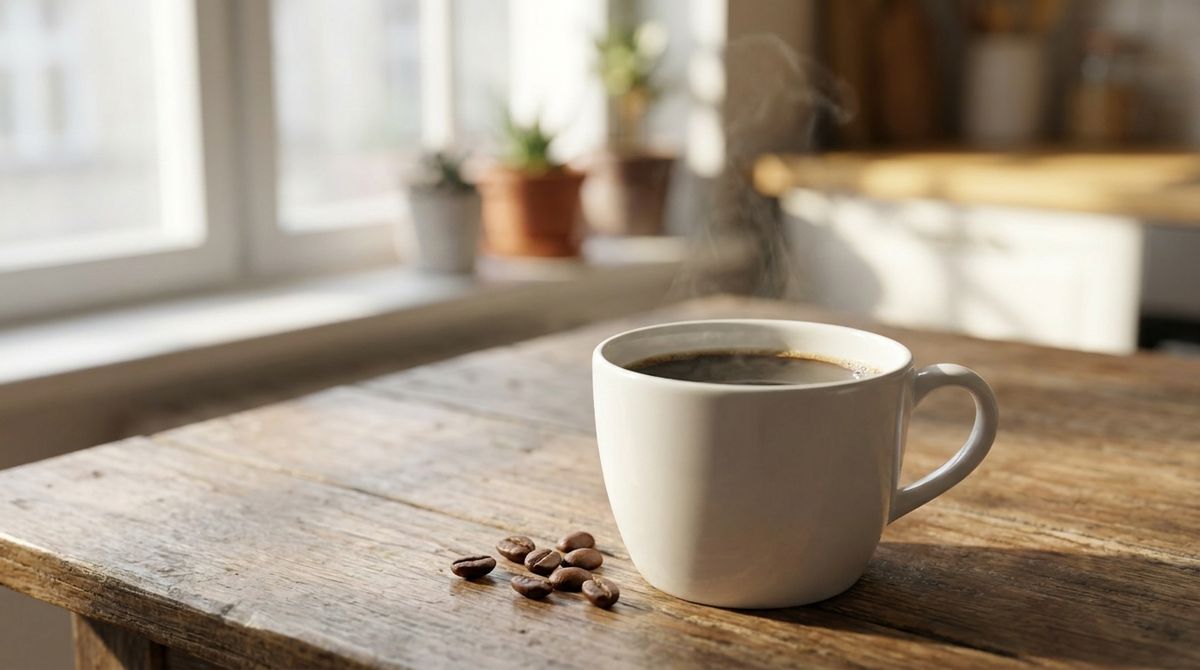
That first cup of coffee in the morning is a small ritual, and once they find out they're pregnant, many people worry right away: do I have to give it up? The good news is that, most of the time, you don't have to quit entirely. The real question isn't whether you can drink coffee while pregnant at all, but how much caffeine a day is considered safe. Below is a calm, evidence-based rundown grounded in guidance from ACOG, the NHS, and the WHO: what the limit is, where caffeine hides besides coffee, why too much can be risky, and how to cut back gently without suffering.
Can you drink coffee while pregnant? The short answer
Yes, coffee during pregnancy is usually fine, and you don't need to cut it out completely. Leading medical organizations (ACOG, the NHS) agree that expectant mothers should limit caffeine to about 200 mg per day. That's an upper limit, not a target to aim for: one small cup of coffee a day fits comfortably within it.
It's important to understand that 200 mg is all the caffeine you get in a day from every source, not just from coffee. That includes tea, cola, energy drinks, chocolate, and even some medications. So it's easier to think not in terms of "how many cups of coffee" but "how many milligrams of caffeine" you rack up over the day.
What 200 mg of caffeine a day actually looks like
Caffeine content varies a lot depending on the drink, its strength, and the cup size, but rough figures (from the NHS and Mayo Clinic) look like this:
- Brewed (filter) coffee, ~250 ml (about 8 oz) cup — about 140 mg.
- Instant coffee, ~250 ml cup — about 100 mg.
- Espresso, one shot — roughly 60–80 mg.
- Black tea, one cup — about 50–75 mg.
- Green tea, one cup — about 30–50 mg.
- Can of cola (330 ml) — about 40 mg.
- Can of energy drink (250 ml) — about 80 mg, and often more.
- Dark chocolate (50 g) — up to 25 mg; milk chocolate, about 10 mg.
- Decaf coffee — just 2–5 mg.
To put it in familiar terms, 200 mg is roughly one large cup of brewed coffee plus a cup of tea, or two cups of instant coffee, or a couple of espresso shots. Once you tally up your usual drinks in milligrams, staying within the limit gets much easier.
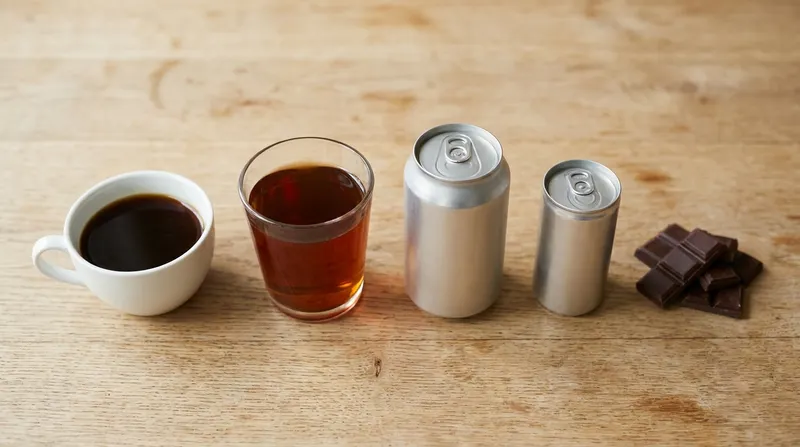
Where caffeine hides besides coffee
The most common mistake is to count only coffee and forget the rest. Yet the daily limit is easy to hit from unexpected sources. Here's what to keep in mind.
Tea, including green tea and matcha
Many people switch from coffee to tea, assuming it's "safe," but caffeine is present in black tea, green tea, and matcha alike. So does tea have caffeine? Absolutely. Strong or long-steeped tea can approach a weak coffee in caffeine content, so simply swapping coffee for a liter of strong tea isn't the answer.
Cola, sodas, and especially energy drinks
Cola and a number of sugary sodas have caffeine added on purpose. But the real heavyweight is energy drinks: they're loaded with caffeine, plus sugar, taurine, and other stimulants whose combined effect in pregnancy is poorly studied. It's wiser to set energy drinks aside entirely until after the birth and breastfeeding.
Chocolate, cocoa, and medications
Chocolate contains a little caffeine, and the darker it is, the more. A bar of dark chocolate over the evening can add up noticeably to your daily total. Caffeine also turns up in some pain relievers and "cold and headache" remedies, as well as in pre-workout supplements. So before taking any over-the-counter medicine during pregnancy, read the label and check with your doctor or pharmacist. And remember: even "decaffeinated" coffee contains trace amounts, small but not zero.
Why experts recommend limiting caffeine
Caffeine crosses the placenta freely, and the fetus and placenta have almost none of the enzymes needed to break it down. That means your baby gets the caffeine but can't clear it quickly; it lingers in their bloodstream longer than in yours.
What does the research say? With high caffeine intake (well above 200 mg a day), a number of studies note a link to an increased risk of miscarriage, low birth weight, and fetal growth restriction. It's important to stress that these are associations, not a proven direct cause, and the science here hasn't given a definitive answer. That's exactly why the guidance is cautious: not a "total ban" and not "drink all you want," but a sensible limit of about 200 mg that lowers the potential risk without taking away your favorite cup. Caffeine is just one piece of a healthy diet; for more on what you can and can't eat, see our guide to foods to avoid during pregnancy.
Caffeine by trimester: does it make a difference?
The 200 mg-a-day limit applies throughout pregnancy, but there are nuances. In the first trimester, many people prefer to play it safe and drink less, which makes sense, since this is when your baby's organs are actively forming. What's more, as pregnancy progresses your body clears caffeine more and more slowly: in the second and third trimesters its "half-life" lengthens noticeably, and the same cup stays active longer.
There's also a silver lining: in early pregnancy, coffee often "falls away" on its own, because it makes the nausea worse. Caffeine can intensify nausea and heartburn, so when morning sickness is severe, many find it easier to skip it. It also interferes with sleep, and good rest matters especially for an expectant mother.
Decaf coffee, chicory, and herbal teas
If it's the taste and the ritual you're after rather than the buzz, there are some good swaps:
- Decaf coffee. It contains only trace amounts of caffeine and, in moderate quantities, is considered a safe option. The taste is close to the real thing.
- Chicory. A drink made from chicory root contains no caffeine and tastes a bit like coffee, making it a popular substitute. In moderate amounts it's usually fine, but during pregnancy it's still worth discussing regular use with your doctor.
- Herbal teas. Here you need caution: "herbal" doesn't automatically mean "safe." Some herbs aren't advisable in pregnancy. Choose teas explicitly labeled as suitable for expectant mothers, drink them in moderation, and when in doubt check with your doctor.

How to drink less coffee without the struggle
You don't have to quit cold turkey; easing off is gentler and less likely to trigger a caffeine-withdrawal headache. What helps:
- Shrink the serving rather than just counting cups. A small cup instead of a large one already cuts dozens of milligrams.
- Switch to "half-caf" by blending regular coffee with decaf, gradually increasing the decaf share.
- Brew tea weaker and pull the bag or leaves out sooner, so less caffeine ends up in the cup.
- Drink more water. Often a craving for coffee is really about fatigue or thirst; a glass of water frequently does the trick.
- Taper gradually over several days to avoid withdrawal headaches, irritability, and drowsiness.
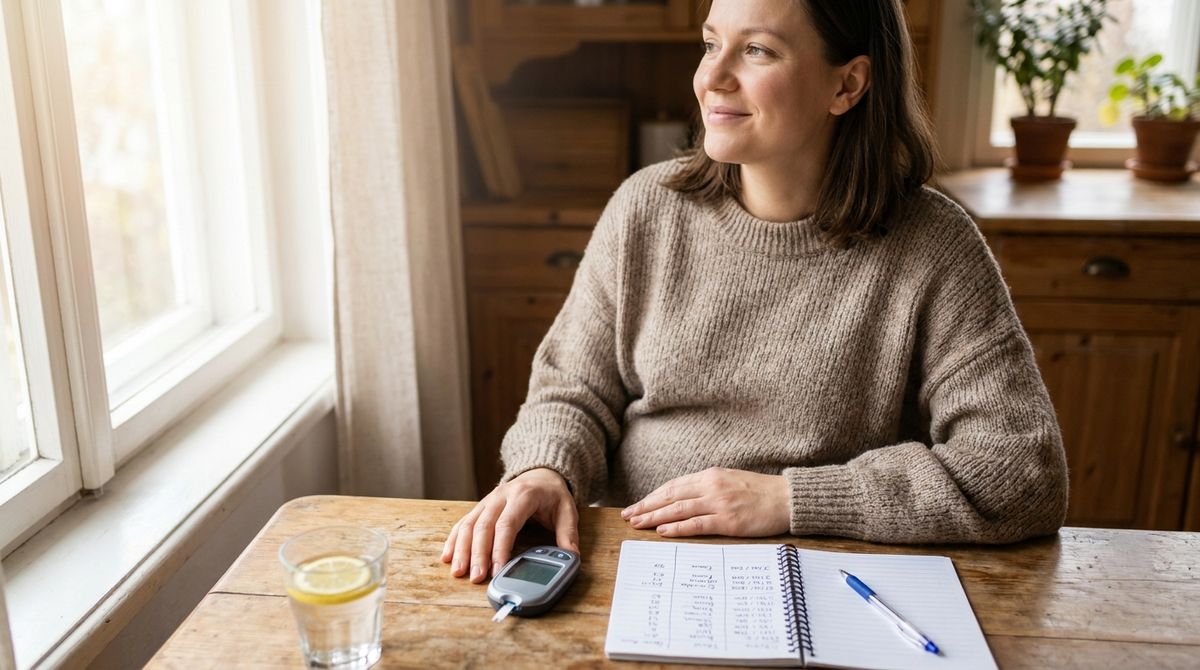
- Watch the sugar in coffee drinks. Syrupy lattes and "3-in-1" instant mixes also pack a lot of sugar. If you're concerned about your blood sugar or are at risk of gestational diabetes, choose drinks with no added sugar.
That freed-up "coffee" energy is better channeled into a balanced diet and the nutrients you need, for example taking your folic acid regularly, which is worth discussing with your doctor.
When to talk to your doctor about caffeine
Reasons to bring it up with your OB-GYN:
- before pregnancy you drank a lot of coffee (several cups a day) and aren't sure how to cut back;
- after coffee or an energy drink you notice a racing heart, jitters, anxiety, or blood pressure swings;
- you take medications and don't know whether they contain caffeine;
- your pregnancy has particular complications (for example, a history of miscarriage or fetal growth restriction), and your doctor can give more individualized advice.
Key takeaways
- Coffee isn't off-limits in pregnancy: a safe guideline is up to about 200 mg of caffeine a day from all sources.
- One small cup of coffee a day usually fits within the limit.
- Caffeine isn't only in coffee: tea (including green), cola, energy drinks, chocolate, and some medications all count too.
- Energy drinks are best avoided entirely during pregnancy.
- Caffeine crosses the placenta and clears slowly in your baby; high doses are linked to risks, which is why the limit is cautious.
- Decaf and chicory are handy swaps; be careful with herbal teas and check with your doctor.
- Cut back on coffee gradually, shrink your servings, and drink more water.
This article is for general information only and is not a substitute for personalized medical advice. For questions about your pregnancy and your individual caffeine limit, talk to your OB-GYN.
Sources
Created with AI and reviewed by the Mama Ai team. Educational information — not a substitute for professional medical advice.
We’re with you every week of the way
Download on the App Store