
Preeclampsia Symptoms: Signs, Risks & When to Act
Preeclampsia is a pregnancy complication marked by high blood pressure. Learn the warning signs, risk factors, and exactly when to call your doctor.

Mama Ai Team
If you've ever heard the word "preeclampsia" at an appointment or from a friend, you've probably wondered: what is it, and how serious is it? Here's the most important point first: most pregnancies go without serious complications, and those regular prenatal visits with blood pressure checks and urine tests exist precisely so any changes get caught early. This article will help you calmly understand what preeclampsia is, how to recognize its warning signs, and the moment when you need to act without delay.
What is preeclampsia, and how is it different from ordinary high blood pressure?
Preeclampsia is a pregnancy complication in which blood pressure rises and signs appear that internal organs (most often the kidneys and liver) aren't working properly. It usually develops after 20 weeks of pregnancy — in the second or third trimester — and sometimes shows up for the first time after delivery. To answer the common question "what is preeclampsia" in a sentence: it's a combination of high blood pressure and organ stress that needs medical monitoring.
Blood pressure naturally shifts during pregnancy: it often dips in the first half and returns to your usual range toward the end. That's normal. Preeclampsia is considered when blood pressure climbs to 140/90 mm Hg or higher (recorded twice) in someone whose pressure was previously normal, alongside additional findings — such as protein in the urine. So a single high reading after brisk walking or a stressful moment isn't a diagnosis on its own; what matters is the overall picture, which your provider evaluates.
At its root, preeclampsia involves problems in how the placenta and blood vessels form and function. This affects blood flow and can involve the kidneys, liver, brain, and the blood-clotting system. That's exactly why blood pressure and lab results are watched so closely: monitoring helps catch the problem at an early, still "silent" stage.
Preeclampsia symptoms: what to watch for
The tricky part about preeclampsia is that in its early stages it often causes no noticeable symptoms — high blood pressure and protein in the urine show up only at your appointment. That's why regular visits matter so much. But there's a set of signs of preeclampsia that should put you on alert and prompt you to contact your provider. Many people search for pregnancy warning signs — here they are, specifically for preeclampsia.
Preeclampsia warning signs that mean you should call your doctor
- A severe or persistent headache that doesn't ease with the usual measures.
- Vision changes: blurriness, flashing spots or lights, dark patches, or heightened sensitivity to light.
- Pain in the upper abdomen or under the right ribs (where the liver sits) — it's sometimes mistaken for heartburn or a stomach problem.
- Sudden swelling of the face, around the eyes, and in the hands — especially if it comes on quickly.
- Rapid weight gain — more than a couple of pounds over a few days — from fluid retention.
- Shortness of breath or a feeling that you can't get enough air.
- Passing less urine than usual, or urinating infrequently.
- Nausea or vomiting that comes on suddenly in the second half of pregnancy.
Swollen feet by evening are common and usually harmless for expectant mothers. What should concern you is rapid swelling of the face and hands combined with other signs from the list above. You won't feel protein in your urine (proteinuria) yourself — it's found on a test, so don't skip your scheduled labs.
Why blood pressure and urine are checked at every appointment
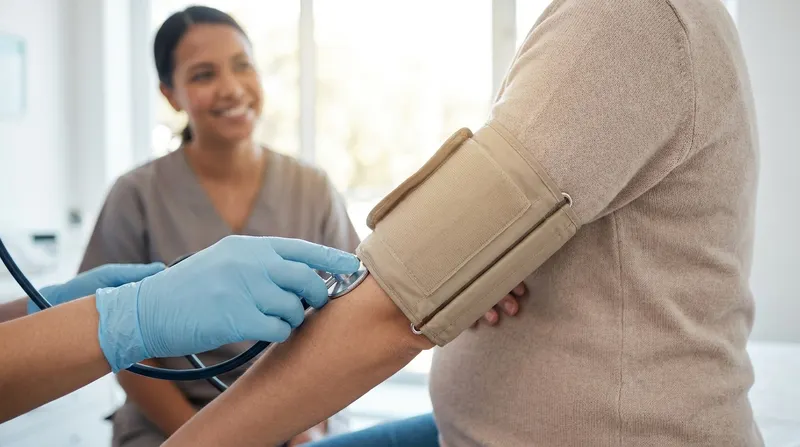
Measuring blood pressure and testing urine at every visit isn't a formality — it's the main way to catch preeclampsia in time. High blood pressure during pregnancy is a common concern, especially in the third trimester, when the strain on your body is at its peak. Here's why these checks are so valuable:
- Blood pressure reflects how your cardiovascular system is coping. A rise can be the first signal over time, even if you feel perfectly fine.
- Urine testing detects protein — a sign that your kidneys are under strain.
- Blood tests, when needed, show the state of the liver and kidneys and your platelet count.
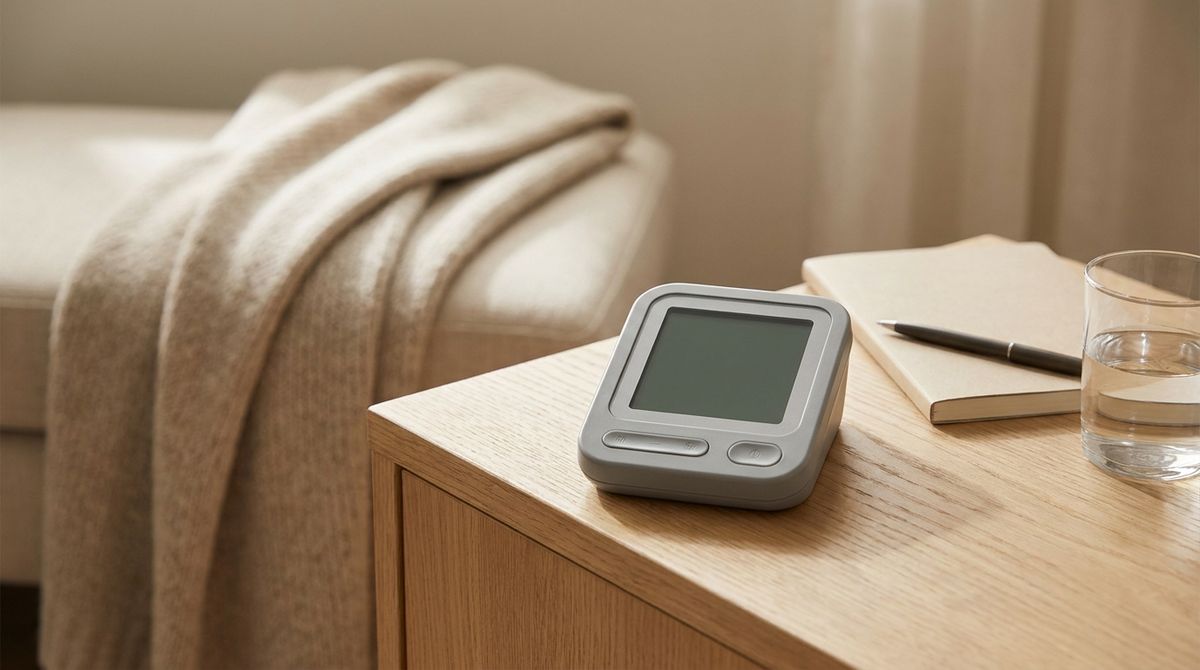
If you have a blood pressure monitor at home, your provider may ask you to keep a log. Take readings when you're calm and seated, after a few minutes of rest — and write them down to bring to your appointment. This isn't a reason to worry over every reading, but a handy monitoring tool.
Who is at higher risk
Preeclampsia can develop in anyone, but certain factors raise the odds. It's worth knowing them — not to fret, but so you and your provider can plan monitoring and, if needed, prevention. Risk factors include:
- a first pregnancy;
- chronic high blood pressure (present before pregnancy);
- diabetes — including gestational diabetes that develops during pregnancy;
- a multiple pregnancy (twins, triplets);
- being under 18 or over 35–40 years old;
- excess weight or obesity;
- preeclampsia in close female relatives or in a previous pregnancy;
- pregnancy through IVF;
- kidney disease and autoimmune conditions;
- a gap of more than 10 years since your previous pregnancy.
Having one or more of these factors doesn't mean preeclampsia will definitely develop — it's simply a reason for closer monitoring. Talk through your personal situation with your provider early in pregnancy.
How it's diagnosed and how the pregnancy is managed
Diagnosis
Your provider makes the diagnosis based on several findings together: blood pressure of 140/90 mm Hg or higher on two readings, protein in the urine (proteinuria), and blood test results (liver function, kidney function, platelet count). Sometimes preeclampsia is diagnosed even without protein in the urine — when high blood pressure occurs alongside other signs of organ involvement. To check on your baby's wellbeing, you may have an ultrasound, Doppler studies (to assess blood flow), and a non-stress test (CTG).
Management and treatment
The approach depends on how severe the condition is and how far along you are. Possible steps include:
- Closer monitoring: regular checks of blood pressure, lab results, and your baby's condition — sometimes in the hospital.
- Blood-pressure-lowering medication — chosen only by your provider and safe during pregnancy.
- For severe preeclampsia, the hospital may use medications to prevent seizures and to help mature the baby's lungs ahead of an earlier delivery.
- Delivery. It's important to understand: the only way to fully resolve preeclampsia is delivery of the baby and the placenta. So in severe cases, doctors may recommend delivering early, weighing the benefits and risks for both mother and baby.
The decision about timing and method of delivery is always made on an individual basis. In mild cases, the pregnancy can often be carried close to term under close monitoring. It also helps to know how to recognize when labor is starting, and to keep your bearings on timing with our guide to how long pregnancy lasts by week and trimester.
When you need urgent help
Some signs can't wait for a scheduled appointment. Call your doctor immediately or seek emergency care (call 911) if you develop:
- a severe headache that won't go away;
- a sudden worsening of vision — a veil over your eyes, flashes, or loss of part of your field of view;
- severe pain under the right ribs or in the upper abdomen;
- marked shortness of breath or chest pain;
- seizures or loss of consciousness — these are signs of eclampsia, the most severe form, which requires emergency care;
- sudden, severe swelling of the face and hands together with feeling unwell.
It's better to play it safe and call, even if you're not sure. Providers would much rather you reach out one extra time than miss an important signal. These signs shouldn't be confused with the ordinary discomforts of pregnancy — but there's no need to be frightened in advance either: most expectant mothers never reach this point.
Prevention and postpartum preeclampsia
Can you lower the risk?
There's no way to guarantee complete protection, but a few things can reduce the odds for those at higher risk:
- Low-dose aspirin. For those at high risk, a provider may recommend low-dose aspirin, usually from the second trimester. This is prescribed only by a provider — don't start taking it on your own.
- Adequate calcium intake — especially where diets tend to fall short; discuss this with your provider.
- Regular monitoring. The most reliable measure is simply not skipping your scheduled appointments, blood pressure checks, and lab tests.
- Maintaining a healthy lifestyle before and during pregnancy: balanced nutrition, gentle activity, and not smoking.
Postpartum preeclampsia
Here's an important and underappreciated point: preeclampsia can appear for the first time or persist after delivery — usually in the first few days, but sometimes within about 6 weeks. This is called postpartum preeclampsia. So don't ignore a severe headache, vision changes, pain under the ribs, or marked swelling in the first weeks after your baby arrives — even if the pregnancy went smoothly. If you notice such symptoms, contact your provider right away.
Most people recover fully from preeclampsia. That said, having had preeclampsia slightly raises the risk of cardiovascular problems down the road, so after delivery it's worth checking your blood pressure periodically and discussing your heart health with your doctor.
Key takeaways
- Preeclampsia is a pregnancy complication involving high blood pressure (140/90 or higher) and signs of organ strain, most often after 20 weeks.
- There may be no symptoms in the early stages — which is why blood pressure checks and urine tests at every appointment matter so much.
- Warning symptoms: a severe headache, vision changes, pain under the right ribs, sudden swelling of the face and hands, rapid weight gain, and shortness of breath.
- Higher-risk groups include a first pregnancy, chronic high blood pressure, diabetes, multiple pregnancy, age, obesity, IVF, and previous preeclampsia.
- The only definitive treatment is delivery; in severe cases it may be recommended earlier than term.
- Preeclampsia is also possible after delivery — keep an eye on how you feel for up to 6 weeks.
- Seizures, loss of consciousness, a sudden worsening of vision, or severe pain are reasons to seek emergency care immediately.
This article is for general information only and is not a substitute for personalized medical advice. Make decisions about diagnosis, treatment, and any medications together with your own provider, taking into account the specifics of your individual pregnancy.
Sources
Created with AI and reviewed by the Mama Ai team. Educational information — not a substitute for professional medical advice.
We’re with you every week of the way
Download on the App Store