
Second Trimester of Pregnancy: A Week-by-Week Guide
The second trimester (weeks 14–27) is pregnancy's "golden period": how your baby grows week by week, common symptoms, the anatomy scan, screenings and red flags.

Mama Ai Team
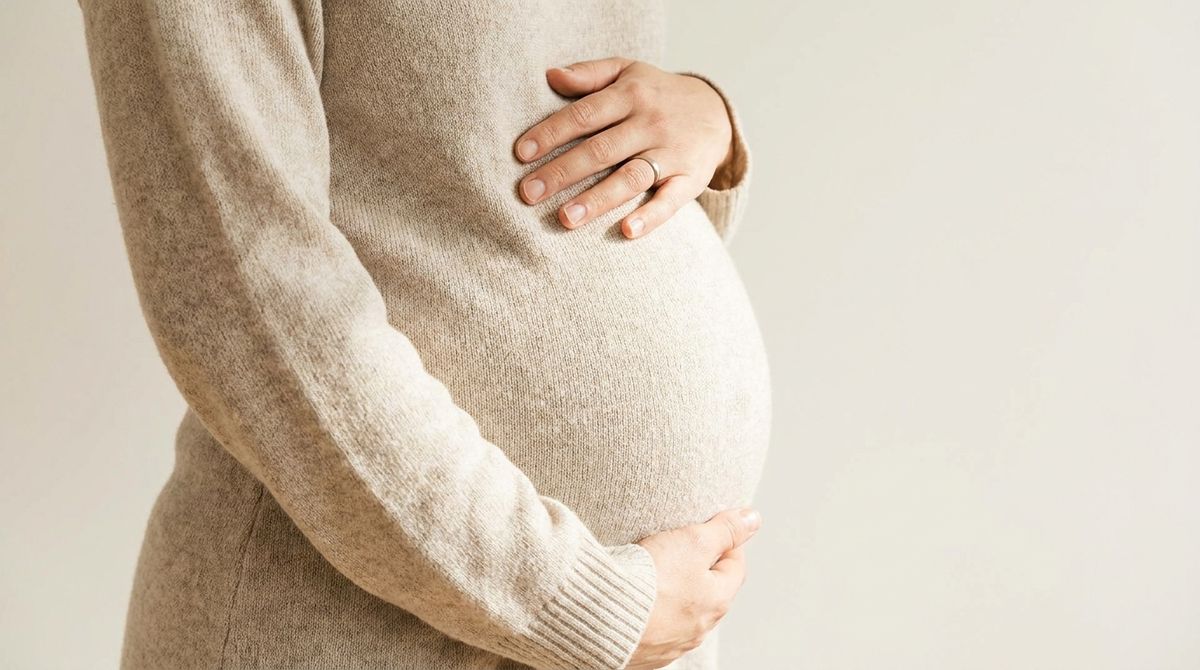
Many mothers look back on the second trimester as the calmest, most enjoyable stretch of pregnancy. Morning sickness usually fades, your energy and appetite return, and your growing bump is finally visible without yet getting in the way of moving or sleeping. It's no accident that this period is often called the "golden" one.
The second trimester of pregnancy runs from roughly week 14 to week 27 — the midpoint of the journey, between the first trimester and the home stretch of the third trimester. In this week-by-week guide we'll walk through how your baby grows, what happens to your body, which tests are coming up, and which symptoms are worth flagging early.
What is the second trimester of pregnancy?
Pregnancy is usually divided into three trimesters of about 13–14 weeks each. The second trimester covers weeks 14 through 27 (some sources extend it to week 28). It begins once your baby's main organs are already in place and ends at the threshold of the final stage of pregnancy.
Why is this stretch called the "golden period"? For most women, morning sickness eases by weeks 14–16, the heavy drowsiness lifts, and moods level out. The risk of early loss drops noticeably by this point, and your bump isn't yet big enough to interfere with sleep or movement. Many mothers find the second trimester the easiest time to keep working, take walks, travel, and calmly get ready for the baby.

Baby development in the second trimester, week by week
In the second trimester your baby grows especially fast: from a tiny fetus about the size of a peach into a little person who can swallow, hiccup, hear, and move around actively. Let's look at development month by month.
Weeks 14–17: your baby grows quickly
Facial features become more and more expressive: your baby squints, frowns, and sucks a thumb. The skin is still thin and almost translucent, and a fine downy hair called lanugo begins to cover it. Unique fingerprints are forming, the kidneys are working, and the liver and pancreas start producing their first enzymes and hormones. By the end of this stretch your baby is about 13 cm long and weighs roughly 140 g.
Weeks 18–22: first movements and the anatomy scan
This is one of the most moving milestones of pregnancy. Around this time many mothers first feel their baby move — usually between weeks 16 and 22 (often a little later in a first pregnancy). At first it feels like a light flutter, tiny bubbles, or a fish flitting past, and it's not always obvious that it's actually the baby.
During this same period your baby's hearing develops rapidly — they begin to make out your voice and your heartbeat. A protective coating called vernix appears on the skin. Weeks 18–22 are also when the detailed anatomy scan (the 20-week ultrasound) is usually done: the doctor examines your baby's organs and, if you'd like to know, can tell you the sex — read more about timing and accuracy in our guide to when and how you can find out your baby's sex.
Weeks 23–27: the threshold of viability approaches
Your baby is visibly growing and putting on weight, and the skin becomes less translucent. The lungs keep maturing: they begin producing surfactant, a substance that will help them expand after birth. Your baby responds more and more to sound and light and develops periods of sleep and wakefulness. Around week 24 comes the so-called threshold of viability — the point after which a baby born prematurely has a chance of surviving with the help of modern medicine. By the end of the second trimester your baby usually weighs around 600–900 g.
How your body changes
The second trimester is when pregnancy becomes visible to others and most mothers start to feel better. Your body keeps adjusting to your growing baby, and along with the welcome changes some new sensations may show up.
- A visible bump. Your uterus rises higher and your belly rounds out — many mothers look up how a pregnant belly changes week by week to compare. Remember: everyone's pace is different, and that's completely normal.
- Returning energy. Nausea and heavy fatigue usually ease, and your appetite and drive to get things done come back.
- Round ligament pain. Sharp pulling or stabbing sensations along the sides of your belly when you change position — the ligaments supporting the uterus are stretching. This is a common and usually harmless symptom.
- Back and lower-back pain. Your center of gravity shifts and your lower back works harder. Supportive shoes, gentle exercise, and good posture all help.
- Skin changes. A dark vertical line may appear down your belly (the linea nigra), along with pigment patches on the face and stretch marks on the belly, breasts, and thighs — all tied to hormones and stretching skin.
- Stuffy nose and bleeding gums. Increased blood flow to the mucous membranes can leave your nose congested and your gums slightly bloody when you brush.
- Heartburn and mild swelling. Your growing uterus presses on your stomach, and by the end of the day your feet and ankles may swell a little.
Tests and to-dos in the second trimester
The second trimester of pregnancy isn't just about how you feel — it's also about key tests. Here's the main list to plan with your provider.
The anatomy scan (second ultrasound) at 18–22 weeks
This is one of the most important scans of the entire pregnancy. Your doctor takes a close look at how your baby is built: the brain, heart, spine, kidneys, and limbs, and assesses the amount of amniotic fluid and the position of the placenta. This 20-week ultrasound is usually also where the baby's sex becomes visible. The scan helps confirm that your baby is developing as expected, or catch any features that need closer follow-up in good time.

Second-trimester screening (blood test)
Around weeks 15–20 a biochemical screening may be offered — a blood test for AFP and other markers (sometimes called the "quad screen"). It estimates the likelihood of certain chromosomal conditions and neural tube defects. It's important to understand: screening shows a level of risk, not a diagnosis. Your doctor will explain the results and, if needed, suggest further testing.
Gestational diabetes test at 24–28 weeks
Toward the end of the second trimester you'll be offered a glucose tolerance test — a check of how well your body handles sugar. Pregnancy can sometimes bring on gestational diabetes, which often has no obvious symptoms but does need attention. Testing on time makes it possible to adjust your diet and, if necessary, treatment early, so your pregnancy stays on track.
Your baby's movements: learning the pattern
Once movements become regular (usually closer to the end of the second trimester), it helps to get used to noticing your baby's normal rhythm of activity. You don't need to formally count kicks yet, but it's worth learning what's typical for your baby. A noticeable, lasting drop in activity after movements have become regular is a reason to call your provider.
Vitamins, iron, and preparing for birth
In the second trimester you'll usually keep taking your prenatal vitamins. Iron matters especially (your need for it rises as your blood volume increases), as does calcium — for your baby's bones and your own body. Always discuss specific supplements and doses with your provider. This is also a good time to sign up for childbirth classes and start thinking about a birth plan — without rushing, while you have the energy and time.
Nutrition and weight gain
In the second trimester your appetite usually comes back, and with it the question of how to eat well. Your baby needs more "building blocks," but you don't have to eat "for two": a small daily calorie increase is usually enough. Build your meals around protein, vegetables and fruit, whole grains, dairy, and iron-rich foods.

For more on what to put on your plate and what's best to skip, see our guide to eating well during pregnancy. As for weight: in the second trimester gain is usually more steady than at the start — often around 0.4 kg per week for women who started at a normal weight. Your exact targets depend on your pre-pregnancy body mass index, which are easy to check against our guide to pregnancy weight gain. Gaining too quickly, or not at all, is a reason to talk your diet over with your provider.
Warning signs: when to call your doctor
Most of what you feel in the second trimester of pregnancy is a normal part of the process. But some symptoms mean you should contact your provider or seek urgent care without delay:
- Bleeding or brown discharge from the vagina, especially with pain.
- A severe or persistent headache, vision changes (spots, flashes, blurriness), or marked swelling of the face and hands — these can be signs of preeclampsia (high blood pressure in pregnancy).
- A noticeable drop in movements after they've become regular.
- Signs of preterm labor: regular painful contractions, a pressing feeling low in your belly, or fluid leaking or breaking early.
- Pain or burning when you urinate, or a fever — possible signs of infection.
- Severe or sudden abdominal pain, heavy vomiting, or fainting.
It's always better to call and check than to wait it out and worry. Your provider would far rather you reach out in good time.
Key takeaways
- The second trimester of pregnancy runs from about week 14 to week 27 and is considered the "golden period": nausea eases and energy returns.
- Your baby grows fast and begins to hear and move; first movements are usually felt at 16–22 weeks, and the threshold of viability is reached around week 24.
- Your body changes: a visible bump, round ligament and back pain, pigmentation and stretch marks, a stuffy nose, and heartburn.
- Key tests: the anatomy scan (20-week ultrasound) at 18–22 weeks, biochemical screening, and the gestational diabetes test at 24–28 weeks.
- Keep taking prenatal vitamins with iron and calcium, and watch your diet and pace of weight gain.
- For bleeding, a severe headache, vision changes, reduced movements, or signs of preterm labor — seek medical care urgently.
This article is for general information only and is not a substitute for personalized medical advice. For any questions about your pregnancy and wellbeing, talk to your own obstetrician or midwife.
Sources
Created with AI and reviewed by the Mama Ai team. Educational information — not a substitute for professional medical advice.
We’re with you every week of the way
Download on the App Store