Pregnancy Cravings: What They Mean and When They Start
Pickles at 2 a.m. are completely normal. Here's why pregnancy cravings happen, what they really mean, and the one craving that's worth mentioning to your doctor.

Mama Ai Team
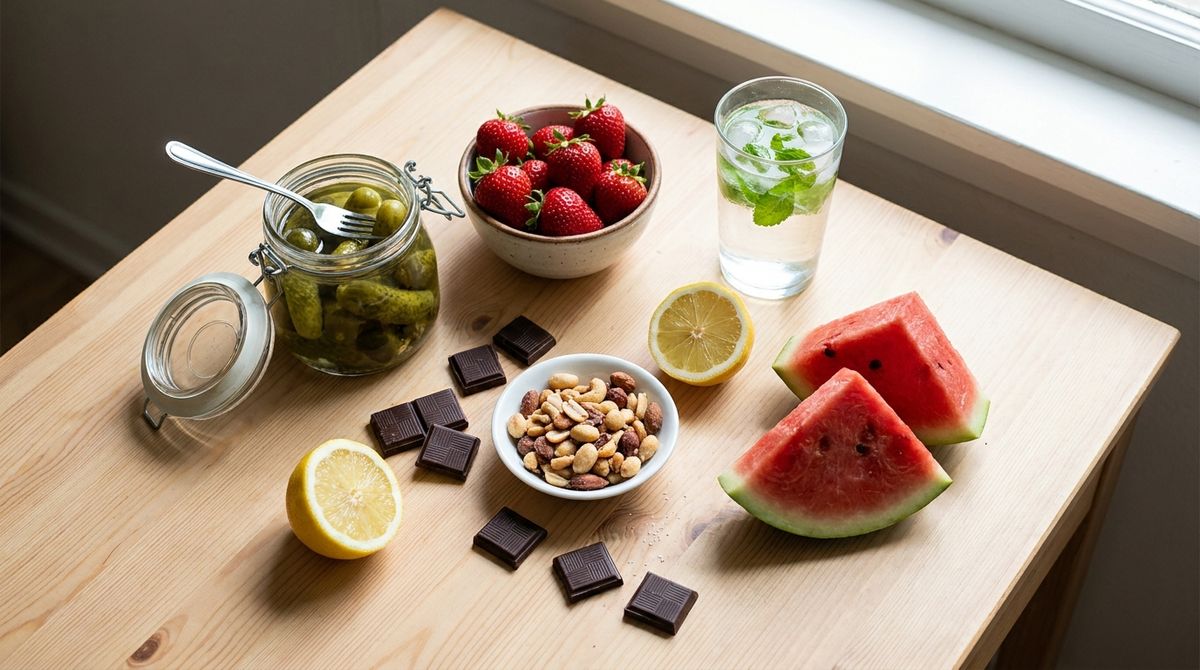
It's 2 a.m. You're standing in front of the open fridge, seriously weighing up a pickle sandwich — or catching yourself ready to drive across town for one very specific brand of ice cream. Sound familiar?
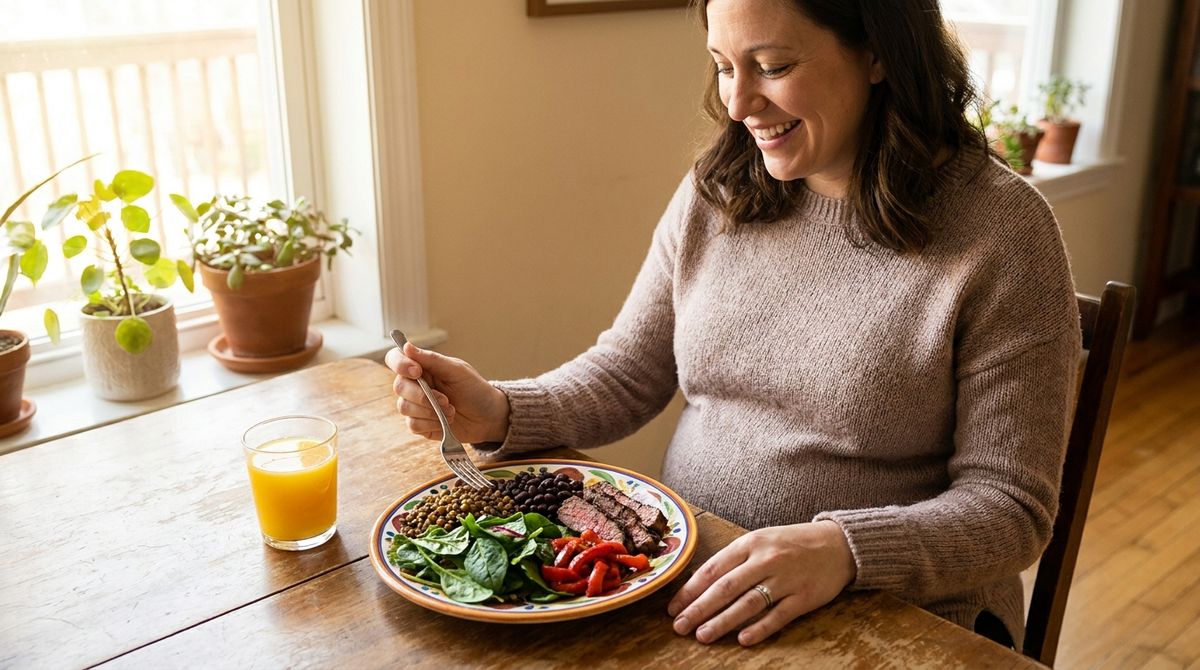
Cravings are probably the most talked-about — and the most harmless — quirk of pregnancy. Some are classic, some are genuinely weird pregnancy cravings, and every relative in the room seems to have an opinion. The good news: in the vast majority of cases, pregnancy cravings are completely normal and do your baby no harm at all. Let's unpack why you crave salty, sweet, and sour foods, when pregnancy cravings start, what they actually mean (spoiler: far less than everyone assumes) — and the one situation where your cravings really are worth mentioning to your doctor.

When do pregnancy cravings start?
There's no fixed schedule, but for many people the pattern looks similar:
- First trimester. Cravings usually show up around the same time your sense of smell shifts and nausea sets in — most often somewhere between weeks 5 and 8.
- Second trimester. The peak. Nausea eases, your appetite comes back, and cravings become their most vivid and specific.
- Third trimester. For many people cravings gradually fade — and heartburn plus a growing uterus make big portions uncomfortable anyway.
After birth, cravings tend to vanish as suddenly as they arrived, and yesterday's must-have pickles go back to being ordinary pickles.
Just how common is this? Depending on the study, somewhere between half and nine out of ten pregnant people report at least one strong food craving. So if you feel an irresistible pull toward one particular food, you are in very, very good company.
Why you crave salty, sweet, and sour foods in pregnancy
The honest answer: science hasn't fully cracked it. There's no single explanation — just several plausible ones that most likely work together.
Hormones
In the first trimester, hCG (human chorionic gonadotropin), estrogen, and progesterone rise very fast, and that affects both your appetite and how you perceive taste and smell. That's part of why cravings are strongest early in pregnancy and usually settle down once the hormonal roller-coaster levels out.
Your sense of smell and taste work differently
Lots of people notice their nose has gone almost superhuman: coffee from a neighbour's flat or a colleague's perfume registers instantly. Taste changes too — familiar food can suddenly seem bland and "meh." Hence the pull toward bold flavours: very salty, very sour, very sweet, very spicy. This is probably the simplest and most convincing part of the explanation.
Sleep, stress, and plain old habit
Poor sleep and fatigue ramp up cravings for calorie-dense food on their own — this happens outside pregnancy too. Add in anxiety, mood swings, and the fact that food is the fastest, easiest way to comfort yourself, and that evening sugar craving stops being a mystery.
Culture and expectations
Here's a curious detail: the set of "typical" cravings varies from country to country. In the US it's often ice cream, chocolate, and pickles; in Japan, rice; in parts of Eastern Europe, salted herring. If you grew up hearing that pregnancy makes you crave pickles, you're far more likely to notice that exact urge in yourself and label it a "craving."
The flip side: food aversions
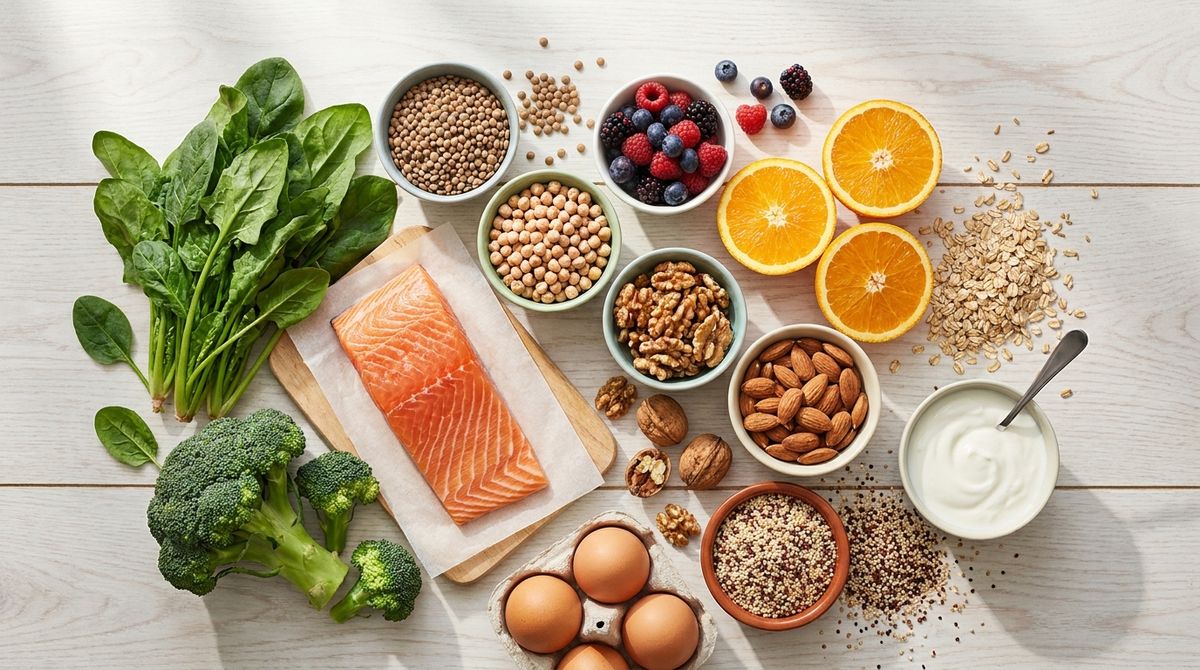
Food aversions are the same story turned inside out. Meat, coffee, onion, garlic, anything fried — sometimes your all-time favourite dish — can turn your stomach from the smell alone. Aversions are actually even more common than cravings, and they usually go hand in hand with first-trimester morning sickness. If a particular food is unbearable right now, just shelve it for a couple of months and swap in something with a similar nutritional profile: if meat is a no-go, fish, eggs, beans, cottage cheese, and buckwheat have you covered.
What do pregnancy cravings mean? Two myths almost everyone believes
Myth 1: "Craving salty means a boy, craving sweet means a girl"
It's a charming bit of folklore, and everyone loves to debate it. But research doesn't back it up: guessing your baby's sex from your cravings works about as well as flipping a coin. The logic is really the other way around — we vividly remember the times it "matched" and quietly forget the times it didn't.
Your baby's sex is reliably shown by the mid-pregnancy ultrasound and by non-invasive prenatal testing from the mother's blood — we cover the timing and accuracy in detail in our article on when and how you can find out your baby's sex. Leave the salt cravings for family debates: they make a wonderful excuse for jokes and a terrible source of data.
Myth 2: "Your body knows exactly what it needs"
The idea sounds logical, but the evidence is weak. If your body really sent a precise signal about a deficiency, an iron shortage would have you craving liver and beef, and a calcium shortage would have you craving cottage cheese. In practice, you crave ice cream, chips, soda, and pastries — sweet, salty, fatty foods, not ones rich in any particular nutrient.
Two calm conclusions follow. First: you don't need to feel guilty about wanting a slice of cake — it's not a "malfunction" or a distress signal. Second: you shouldn't use it to justify every choice, either — "if I want it, my body must need it" is no substitute for a balanced diet and the supplements your doctor prescribes. There's one important exception to this rule — and that's the next section.
Craving chalk, ice, or dirt: what pica in pregnancy is
Pica is a craving for things that aren't food: chalk, ice, clay, dirt, raw or laundry starch, paper, ash, sand, toothpaste, coffee grounds. A specific form called pagophagia — a compulsive urge to chew ice — is the most common version in pregnancy, which is why craving ice during pregnancy is worth paying attention to. This kind of craving is more common than you'd think: estimates around the world range from a few percent up to a third of pregnant people.
This is the one type of "craving" you genuinely should mention to your doctor. Not because something terrible has happened, but because it often has a clear, easily checked cause.
Why it matters
Craving non-food items often goes together with iron deficiency and anemia in pregnancy, and sometimes with a zinc deficiency. The cause and effect isn't fully understood, but it's consistently described in research: for many women, the urge to chew ice or chalk fades within a few weeks once their iron stores are restored. So the sensible first step isn't to fight yourself with willpower — it's to get tested: a complete blood count (hemoglobin) and ferritin, which shows your actual iron stores.
What actually isn't safe
- Clay, dirt, sand — a possible source of parasites, bacteria, and heavy metals, including lead.
- Flakes of paint and plaster (especially in older homes) — a lead risk, which is dangerous for your baby's developing nervous system.
- Laundry starch, chalk, large amounts of anything inedible — a strain on the gut, up to and including severe constipation and blockage; on top of that, these substances interfere with iron absorption, so the loop feeds itself.
- Ice — on its own it's just water, so it's safe, though it's hard on tooth enamel. But if you want to chew it constantly, that's a good hint to check your iron.
What to do
Calmly and without embarrassment, mention it to your doctor at your next appointment — this is a very common situation, and no one will judge you. From there, your doctor will decide whether you need iron supplements, in what form, and at what dose; you shouldn't start them on your own, since too much iron isn't safe either.
A common question: "I'm craving chalk — what can I swap it for?" The honest answer: there's no safe substitute for chalk, and pharmacy or "food-grade" chalk doesn't solve the problem, because it usually isn't really about the chalk. While you wait for your appointment and test results, you can satisfy the need for something cold and crunchy: frozen berries, chunks of frozen watermelon or banana, carrot and cucumber sticks, frozen grapes, crunchy whole-grain crackers. This is working with texture and habit, not a treatment — but it helps you get through a couple of weeks without guilt.
How to handle cravings without wrecking your nutrition
The golden rule: don't wage war on your cravings. A strict ban almost always ends in a blow-out and a wave of guilt — and pregnancy definitely doesn't need either. A different strategy works far better: swap, don't ban.
Swaps that actually work
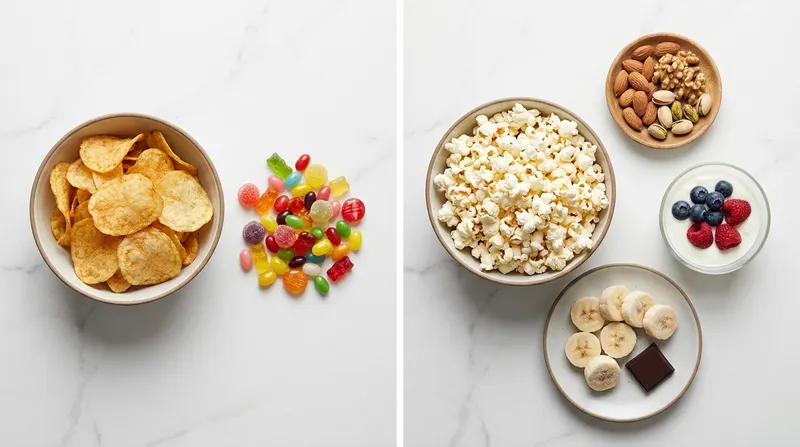
- Craving salty: instead of a bag of chips, reach for plain popcorn (no butter), salted crackers, baked potato wedges with a pinch of salt, unsalted nuts you salt yourself (you'll use less), or cucumber with a piece of pasteurized salty cheese. You don't need to specifically cut salt in pregnancy, but if you develop swelling or your doctor is watching your blood pressure, talk over how much salt is right for you at your appointment.
- Craving sweet: a frozen banana, dates with a nut tucked inside, yogurt with berries, a baked apple with cinnamon, a square of dark chocolate after dinner. A trick: pair something sweet with protein or fat (yogurt, cottage cheese, nuts) — your blood sugar rises more gently, so you crave less and less often.
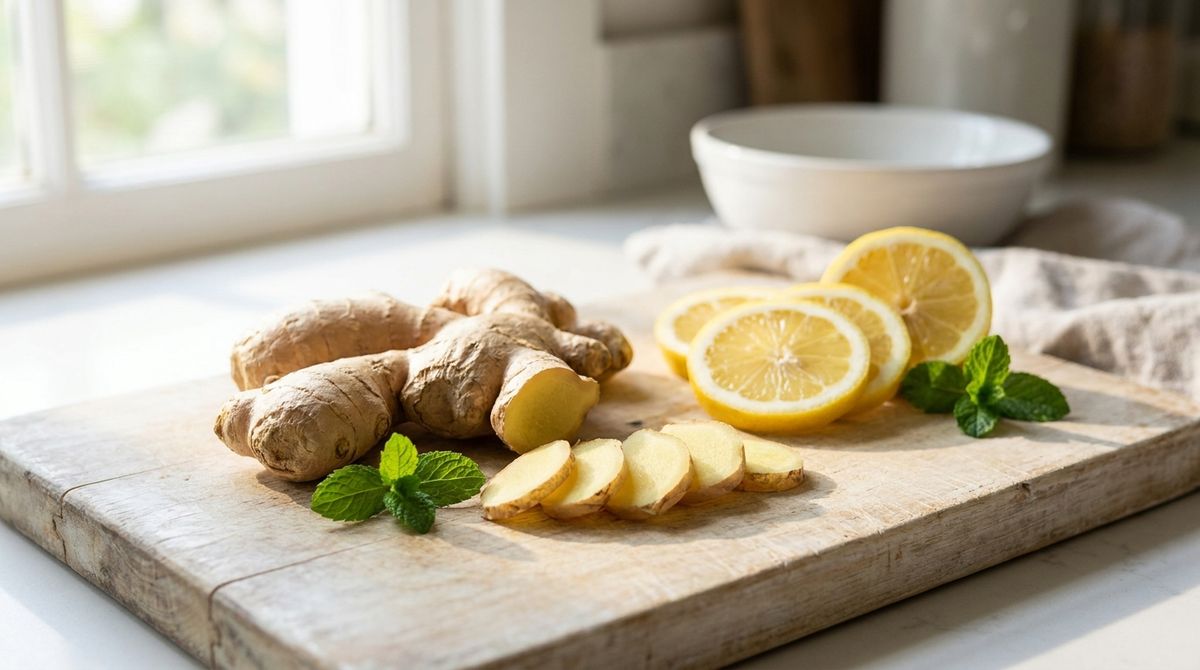
- Craving sour: pomegranate, kiwi, citrus, water with lemon and mint, sauerkraut, homemade unsweetened fruit drinks. Pickled vegetables are fine — just remember the salt and heartburn.
- Craving spicy: spicy food isn't off-limits in pregnancy. Just keep an eye on heartburn: it gets worse in the second and third trimesters, so it's best to eat spicy food in small portions, not late at night, and not lie down right after eating.
- Craving cold and crunchy: popsicles made from real juice, frozen berries, chilled watermelon, seeds, nuts, veggie sticks.
Tricks with portions and timing
- Pour a portion onto a plate and put the packaging out of sight — you'll eat noticeably more straight from the bag than you meant to.
- The 15-minute rule: when a craving hits, have a glass of water and do something else for a quarter of an hour. Cravings often come in waves and pass on their own. If it doesn't pass — eat, that's not a defeat.
- Regular food first, then the treat. A slice of cake after a proper lunch and a slice of cake instead of lunch are very different stories.
- Buy small packs, not a week's supply — the decision gets made once, in the store.
- Eat every 3–4 hours and add protein to every meal. A hungry pregnant person almost always craves the sweetest, saltiest thing going — that's physiology, not weak willpower.
Water, sleep, and a little kindness to yourself
Thirst easily disguises itself as hunger and cravings — try starting with a glass of water. Poor sleep raises your hunger hormone and pulls you toward calorie-dense food, so an "extra" hour of sleep sometimes works better than any amount of willpower. And most important: a couple of cookies is not a pregnancy failure. Your overall eating pattern over a week matters far more than one evening. If the pace of your weight gain worries you, it's more useful to talk it over with your doctor than to build a wall of bans — we cover what you can and can't eat during pregnancy in a separate article.
When you crave something that's off-limits right now
Sometimes you crave exactly what's landed on the restricted list. Here are some safe workarounds:
- Sushi with raw fish → rolls with cooked fillings: shrimp, eel, crab, plus avocado, cucumber, tofu; for fish, go hot-smoked or baked.
- Rare steak, tartare, air-dried cured meat → fully cooked meat with a bold sauce; often it's the flavour of the sauce and spices you're really after.
- Soft cheeses from unpasteurized milk and blue cheeses → the same varieties made from pasteurized milk, or baked until piping hot.
- Lots of coffee → ACOG considers up to about 200 mg of caffeine a day acceptable (roughly one cup of coffee); cover the rest with decaf, chicory, cocoa, or an herbal tea your doctor has cleared.
- Alcohol → no safe amount has been established in pregnancy, so reach for alcohol-free versions and lemonades with lemon and mint. If the craving for alcohol is strong and won't let go, be sure to tell your doctor — it's a normal thing to talk about, not something to be ashamed of.
When to see your doctor
There aren't many reasons, but they're worth knowing:
- Craving non-food items — ice, chalk, clay, dirt, starch, paper — even if you've "just nibbled a little."
- Cravings alongside weakness, dizziness, paleness, breathlessness on ordinary exertion, hair loss, and brittle nails — worth checking your hemoglobin and ferritin.
- A sharp increase in thirst, a constant desire for sweets, frequent urination, marked fatigue — not cause for panic, but definitely a reason not to skip your routine glucose tolerance test (usually at 24–28 weeks) and to tell your doctor about the symptoms.
- Aversions so strong you can barely eat or you're losing weight.
- Cravings that feel like a loss of control: episodes of overeating, intense guilt, thoughts of food filling your whole day.
Key takeaways
- Pregnancy cravings are very common and almost always harmless: more than half of expectant mothers report them.
- Cravings usually appear in the first trimester, peak in the second, and ease off toward the third — and after birth they typically pass.
- The causes are mixed: hormones, heightened smell and taste, fatigue and stress, cultural expectations. Science doesn't have a single explanation yet.
- You can't guess your baby's sex from cravings — it's folklore, not a method.
- "Your body knows what it's missing" is a lovely idea with weak evidence: you usually crave sweet and salty, not iron- or calcium-rich food.
- The one genuinely important signal is craving non-food items (pica). It's often linked to iron deficiency: tell your doctor and check your hemoglobin and ferritin.
- The best tactic is to swap, not ban: a portion on a plate, protein at every meal, regular meals, water, and sleep.
This article is general information and does not replace a consultation with your doctor. If you have questions about nutrition, tests, or how you're feeling during pregnancy, discuss them with your obstetrician-gynecologist.
Sources
Created with AI and reviewed by the Mama Ai team. Educational information — not a substitute for professional medical advice.
We’re with you every week of the way
Download on the App Store